What Is a Stroke?
A stroke happens when blood flow to part of the brain is interrupted, starving brain cells of oxygen. Because those cells begin to die within minutes, a stroke is always a medical emergency.
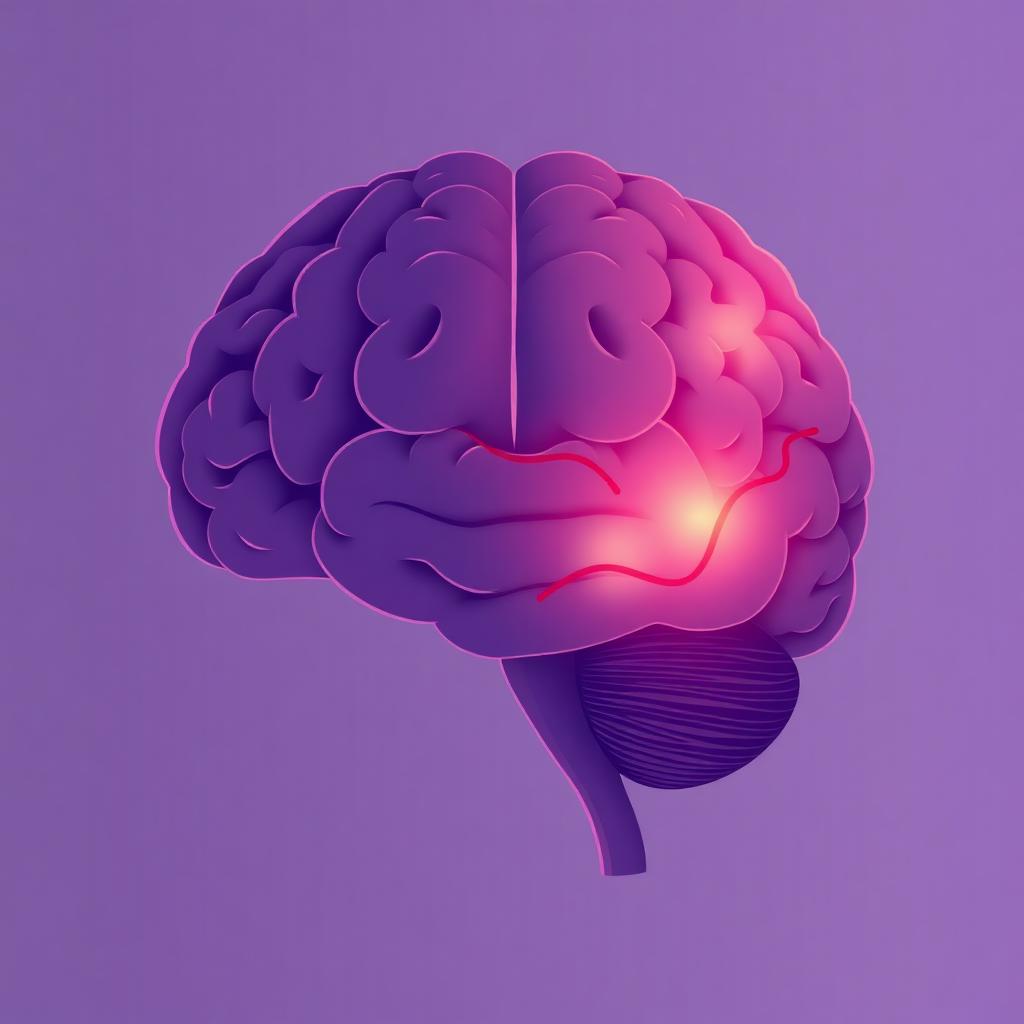
The two main types
An ischemic stroke is caused by a clot that blocks a blood vessel supplying the brain. This is the most common type. A hemorrhagic stroke happens when a blood vessel bursts and bleeds into or around the brain.
There are also transient ischemic attacks (TIAs), sometimes called "mini-strokes," where blood flow is blocked only briefly. A TIA is a serious warning sign and should never be ignored.
How it affects people
The effects of a stroke depend on which part of the brain was affected and how much damage occurred. Common changes include weakness or paralysis on one side of the body, trouble speaking or understanding language, vision changes, difficulty with balance and coordination, and changes in memory or emotions.
No two strokes are the same — and no two recoveries are either. With therapy, support, and time, the brain can build new pathways and people can regain abilities.
Why fast treatment matters
The phrase "time is brain" exists for a reason. The faster a stroke is treated, the more brain tissue can be saved. If you suspect a stroke, call emergency services immediately — learn the F.A.S.T. signs so you can act without hesitation.