Living with Spasticity
Spasticity is when certain muscles stay continuously contracted, causing stiffness, tightness, and sometimes pain. After a stroke, it commonly affects an arm, hand, or leg.
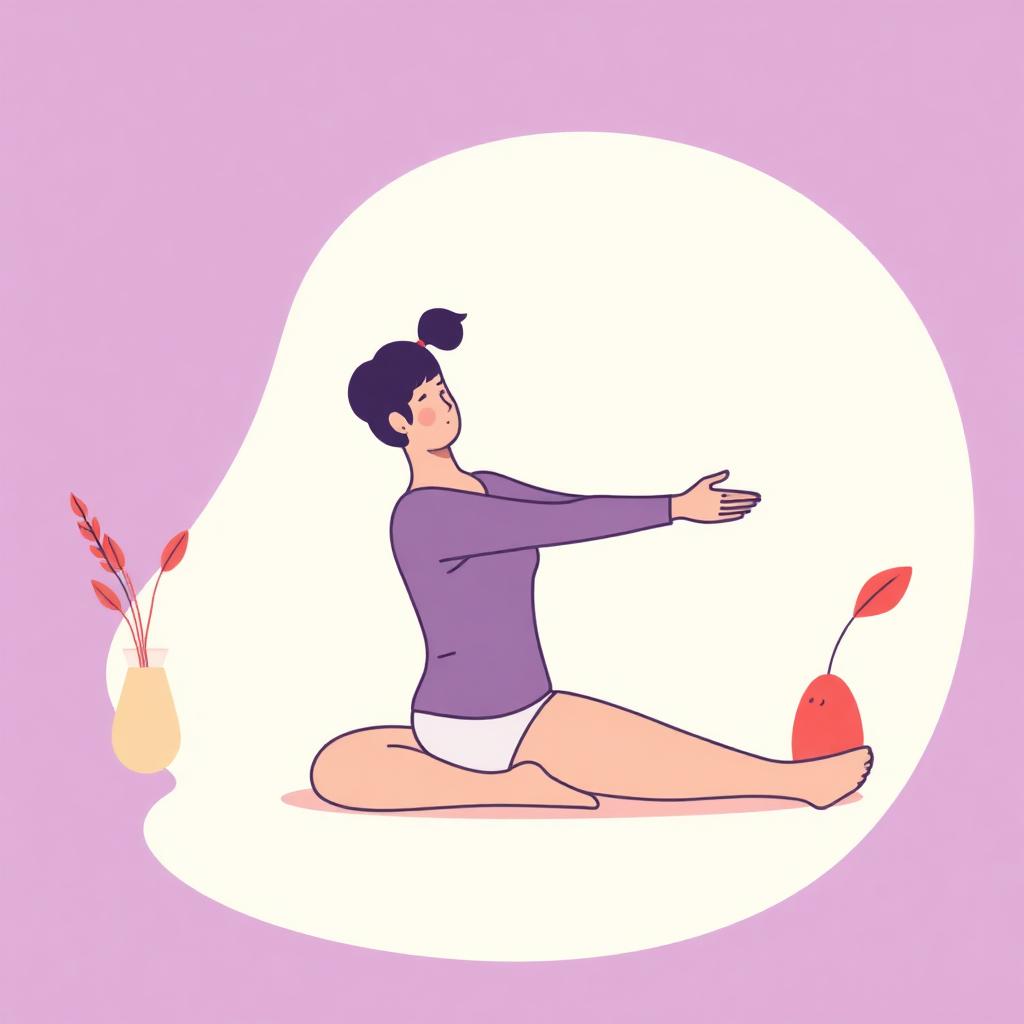
What causes it
A stroke can disrupt the signals between the brain and muscles. Without normal signaling, muscles may receive a constant "contract" message, leaving them tight and resistant to movement. This can pull limbs into awkward positions and make everyday tasks like dressing, walking, or opening a hand difficult.
How it affects daily life
Spasticity ranges from mild tightness to severe stiffness that limits movement entirely. It can cause discomfort, interfere with sleep, and make personal care harder. Left unmanaged, it can also lead to permanent shortening of muscles and joints, so early attention matters.
What helps
Many tools can ease spasticity: regular stretching, proper positioning and splinting, physical and occupational therapy, and exercises that keep joints moving. Medical options such as oral medications or targeted injections may be recommended by your care team. Consistency is key — gentle daily movement keeps muscles and joints as flexible as possible. Always work with your healthcare providers to find the right plan for you.